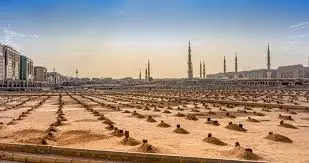
Can Tahaj'jud be prayed in Jama’ah (congregation) in Ramadan?
The answer is yes!
Night Salahs (Nawafil) have always been very flexible in Shariah. We see the Prophet (ﷺ) mainly praying Tahajjud on his own, sometimes allowing his wives and Sahabah to join him. In Ramadan, he invited his family and wives to join him in a long night of Salah, starting from early night and continuing until people feared missing Suhoor. This means that the last night he ever led in Ramadan in the Masjid covered both Qiyam Ramadan (Taraweeh) and Qiyamul Layl (Tahajjud).
Early scholars unanimously agreed that praying Tahajjud in solitude is the most virtuous practice, as it reflects the consistent habit of the Prophet (ﷺ). As a result, they themselves practised and preached private Tahajjud. However, they differed in opinion on whether praying it in congregation is considered Sunnah.
Detailed Commentary
Tahajjud Salah has always been the hallmark of the pious. Allah encourages it in the Qur'an, and the Prophet (ﷺ) prayed it regularly:
وَمِنَ الَّيۡلِ فَتَهَجَّدۡ بِهٖ نَافِلَةً لَّكَ ۖ عَسٰۤى اَنۡ يَّبۡعَـثَكَ رَبُّكَ مَقَامًا مَّحۡمُوۡدًا
"And in some parts of the night offer the Salah (prayer) with it, as an additional prayer (Tahajjud - Nawâfil) for you (O Muhammad ﷺ). It may be that your Lord will raise you to Maqaam Mahmood (a station of praise and glory)." (Surah Al-Isra 17:79)
عَنْ عَبْدِ اللَّهِ بْنِ سَلَامٍ رَضِيَ اللَّهُ عَنْهُ قَالَ: قَالَ رَسُولُ اللَّهِ صَلَّى اللَّهُ عَلَيْهِ وَسَلَّمَ
"عَلَيْكُمْ بِقِيَامِ اللَّيْلِ، فَإِنَّهُ دَأْبُ الصَّالِحِينَ قَبْلَكُمْ، وَقُرْبَةٌ إِلَى رَبِّكُمْ، وَمَكْفَرَةٌ لِلسَّيِّئَاتِ، وَمَنْهَاةٌ عَنِ الْإِثْمِ."
Abdullah ibn Salam (RA) reported that the Messenger of Allah (ﷺ) said:
"You must observe the night prayer, for it is the way of the righteous before you, a means of drawing closer to your Lord, an expiation for sins, and a shield against sins."
(Sunan al-Tirmidhi,3549)
Tahajjud Definition from "Lisan al-Arab" by Ibn Manzur
التَّهَجُّدُ: التيقظُ من النوم للصلاة. وتهجَّدَ الرجلُ، صلَّى بالليل. وقيل: التهجد يكون بعد نومٍ، فهو صلاةُ الليل بعد رُقاد.
Tahajjud means waking up from sleep to pray. A person who performs Tahajjud is one who prays at night. It is said that Tahajjud specifically refers to prayer after a period of sleep; thus, it is the night prayer after resting. (Ibn Manzur, "Lisan al-Arab", Vol. 3, p. 115)
The essence of Tahajjud is to sleep after Isha and wake up in the latter part of the night to pray and make dua to Allah. This does not mean one cannot pray Tahajjud without sleeping.
We can clearly see that the Prophet (ﷺ) prayed Tahajjud at home on his own, except for a few occasions where his wives or Abdullah ibn Abbas (RA) joined him. He did not make any particular announcement or call (Adhan) for people to join him.
Hence, all scholars agree that the best Tahajjud is when prayed alone. Nevertheless, regarding praying it in Jama’ah, there are differences among early Imams.
Hadiths Regarding the Prophet’s (ﷺ) Tahajjud
1.Prophet (ﷺ) praying on his own:
عَنْ عَائِشَةَ رضي الله عنها قَالَتْ
كَانَ النَّبِيُّ ﷺ يَقُومُ مِنَ اللَّيْلِ حَتَّى تَتَفَطَّرَ قَدَمَاهُ، فَقُلْتُ لَهُ: يَا رَسُولَ اللَّهِ، لِمَ تَصْنَعُ هَذَا وَقَدْ غَفَرَ اللَّهُ لَكَ مَا تَقَدَّمَ مِنْ ذَنْبِكَ وَمَا تَأَخَّرَ؟ فَقَالَ: أَفَلاَ أُحِبُّ أَنْ أَكُونَ عَبْدًا شَكُورًا؟
Aishah (RA) said: "The Prophet (ﷺ) used to stand (in prayer) at night until his feet became swollen. So I asked him, 'O Messenger of Allah! Why do you do this when Allah has forgiven all your past and future sins?' He replied, 'Should I not be a grateful servant?'"
(Sahih al-Bukhari 1130, Sahih Muslim 2820)
2.Prophet (ﷺ) started praying on his own – but Abdullah ibn Abbas (RA) joined him:
عَنْ عَبْدِ اللهِ بْنِ عَبَّاسٍ رضي الله عنه قَالَ:
بِتُّ عِنْدَ خَالَتِي مَيْمُونَةَ، فَقَامَ النَّبِيُّ ﷺ يُصَلِّي مِنَ اللَّيْلِ، فَقُمْتُ عَنْ يَسَارِهِ، فَجَعَلَنِي عَنْ يَمِينِهِ، وَأَكْمَلَ صَلاَتَهُ
Ibn Abbas (RA) said: "I stayed overnight at the house of my aunt Maymunah (RA), and the Prophet (ﷺ) got up to pray at night. I stood on his left side, but he moved me to his right and continued his prayer."
(Sunan an-Nasa’i 1609, Musnad Ahmad 2122)
These Hadiths show that if a person starts his Tahajjud and people around him join, it is permissible and Sunnah to continue praying in Jama’ah. However, we can clearly see that the Prophet (ﷺ) did not invite anyone to join him.
- The Prophet (ﷺ) Led People in Salah All Night- on 27th Night of Ramadan
عَنْ أَبِي ذَرٍّ، قَالَ صُمْنَا مَعَ رَسُولِ اللَّهِ صلى الله عليه وسلم فَلَمْ يُصَلِّ بِنَا حَتَّى بَقِيَ سَبْعٌ مِنَ الشَّهْرِ فَقَامَ بِنَا حَتَّى ذَهَبَ ثُلُثُ اللَّيْلِ ثُمَّ لَمْ يَقُمْ بِنَا فِي السَّادِسَةِ وَقَامَ بِنَا فِي الْخَامِسَةِ حَتَّى ذَهَبَ شَطْرُ اللَّيْلِ فَقُلْنَا لَهُ يَا رَسُولَ اللَّهِ لَوْ نَفَّلْتَنَا بَقِيَّةَ لَيْلَتِنَا هَذِهِ فَقَالَ " إِنَّهُ مَنْ قَامَ مَعَ الإِمَامِ حَتَّى يَنْصَرِفَ كُتِبَ لَهُ قِيَامُ لَيْلَةٍ " . ثُمَّ لَمْ يُصَلِّ بِنَا حَتَّى بَقِيَ ثَلاَثٌ مِنَ الشَّهْرِ وَصَلَّى بِنَا فِي الثَّالِثَةِ وَدَعَا أَهْلَهُ وَنِسَاءَهُ فَقَامَ بِنَا حَتَّى تَخَوَّفْنَا الْفَلاَحَ . قُلْتُ لَهُ وَمَا الْفَلاَحُ قَالَ السُّحُورُ .
قَالَ أَبُو عِيسَى هَذَا حَدِيثٌ حَسَنٌ صَحِيح
Abu Dharr narrated:
"We fasted with the Prophet, so he did not pray (the night prayer) with us until seven (nights) of the month remained (23rd night). Then he (pbuh) led us in prayer until a third of the night had gone, then he did not lead us in prayer on the sixth (24th night). Then he led us in prayer on the fifth (25th night) until half of the night had gone. We said to him: 'O Messenger of Allah! Wouldn't you lead us in prayer for the remainder of the night?' He said: 'Indeed, whoever stands (praying) with the Imam until he finished, then it is recorded for him that he prayed the whole night.;
Then he did not lead us in prayer until three (nights) of the month remained (27th night). Then he led us in prayer on the third (27th night) and he called his family and his women to pray with us until we feared missing the Falah" I (Jubair bin Nufair) said to him: "What is the Falah" He said: "The Suhur." (Tirmidhi)
Based on this narration, it is clear that the Prophet (ﷺ) led a long prayer on the 27th night of Ramadan, likely covering both Qiyam Ramadan (Taraweeh) and Tahajjud. It is extremely difficult to believe that He (ﷺ) missed tahajjud in Ramadan by leading taraweeh all the way until people thought suhoor will end!
This becomes the basis for Tahajjud in Jama’ah.
Views of the early Imams
- Hanafi School
The Hanafi scholars generally consider Tahajjud to be an individual act of worship and do not recommend its performance in congregation. They emphasise personal devotion during this prayer.
"وأما التهجد فهو صلاة الليل بعد النوم، وهو سنة مؤكدة، ويستحب أن يصليها في بيته منفردًا."
"As for Tahajjud, it is the night prayer after sleeping, and it is an emphasized Sunnah. It is recommended to perform it individually at home."
"رد المحتار على الدر المختار" (Radd al-Muḥtār ʿala al-Durr al-Mukhtār) by Ibn ʿĀbidīn
- Maliki School:
In the Maliki tradition, Tahajjud is also viewed as a personal act of worship. Performing it in congregation is generally discouraged, as it may lead to the perception of it being an obligatory practice.
"والتهجد صلاة الليل بعد نوم، وهو سنة في البيوت، ويكره الجماعة فيه لئلا يظن وجوبها."
"Tahajjud is the night prayer after sleeping, and it is a Sunnah to perform it at home. Congregation in it is disliked to prevent the assumption of its obligation."
"الشرح الكبير للشيخ الدردير وحاشية الدسوقي" (Al-Sharḥ al-Kabīr by al-Dardīr with Ḥāshiyat al-Dusūqī).
- Shafi'i School:
The Shafi'i scholars permit the performance of Tahajjud in congregation, especially during auspicious times like the last ten nights of Ramadan. However, they maintain that individual prayer is preferable to avoid any misconception of it being obligatory.
"وصلاة التهجد في المسجد جماعة جائزة، خاصة في الليالي الفاضلة، كالعشر الأواخر من رمضان، ولكن الفرد أفضل خوفًا من الاعتقاد بوجوبها
"Performing Tahajjud in the mosque in congregation is permissible, especially on virtuous nights like the last ten of Ramadan. However, individual prayer is preferable to avoid the belief in its obligation."
"مغني المحتاج للشربيني" (Mughnī al-Muḥtāj by al-Shirbīnī).
- Hanbali School:
The Hanbali scholars allow Tahajjud to be performed in congregation, especially during the last ten nights of Ramadan, to encourage communal worship and the pursuit of Laylat al-Qadr (the Night of Decree).
"ويستحب قيام الليل جماعة في المسجد، ويجوز أن يكون في البيت، والأفضل أن يصلي الفرد قيام الليل في بيته."
"It is recommended to perform the night prayer (Tahajjud) in congregation in the mosque. It is permissible to pray it at home, but it is preferable for an individual to pray the night prayer in their home."
"كشاف القناع للبهوتي" (Kashshāf al-Qināʿ by al-Buhūtī)
Conclusion:
While all four schools recognise Tahajjud as a commendable voluntary Salah, their views on performing it in congregation vary:
- Hanafi and Maliki schools generally discourage congregational Tahajjud to preserve its personal and voluntary nature.
- Shafi'i and Hanbali schools permit congregational Tahajjud, especially during special occasions like the last ten nights of Ramadan, but still consider individual performance preferable to prevent any misconception of obligation.
Bearing in mind the flexibility of Tahajjud, if the Imam of the locality believes that it would be in the best public interest to observe Tahajjud in congregation, then there is no harm in doing so.
Many people are distant from the Qur'an, Salah, and extra Tahajjud. If, by virtue of Ramadan, people can connect to the Qur'an, Salah, and the Masjid, then it's an achievement!
Allah Knows best
Imam Muhammad Rayhan