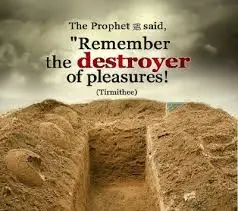
From the perspective of Sharia (Islamic law), preparing for death is a vital part of a Muslim's life. Since death is certain for everyone, Islam encourages us to remember it often and to make practical arrangements for what happens after—especially the burial.
Allah Most High says:
كُلُّ نَفْسٍ ذَائِقَةُ الْمَوْتِ
“Every soul shall taste death.”
(Surah Aal Imran 3:185)
The Messenger of Allah ﷺ said:
أَكْثِرُوا ذِكْرَ هَادِمِ اللَّذَّاتِ الْمَوْتِ
“Remember frequently the destroyer of pleasures: death.”
(Sunan al-Tirmidhi)
Reflecting on death helps us stay responsible and mindful, encouraging us to prepare both spiritually and practically.
Burial as a Community Duty
Islam requires the Muslim community to ensure that burials are handled quickly and with respect. This duty is known as fard kifayah (a communal obligation).
The Prophet ﷺ said:
أَسْرِعُوا بِالْجَنَازَةِ
“Hasten with the funeral.”
(Sahih al-Bukhari, Sahih Muslim)
Scholars of the Hanafi school of law state:
تَجْهِيزُ الْمَيِّتِ وَدَفْنُهُ فَرْضُ كِفَايَةٍ
“Preparing and burying the deceased is a communal obligation.”
(Badaai al-Sanaai)
Therefore, making practical plans in advance by setting up burial funds to avoid delays, stress, or confusion at the time of death follows Islamic principles. It preserves the dignity of the deceased and supports the needs of the community.
Allah knows best
Shaykh Muhammad Rayhan (Mufti, Islamic Legal scholar)