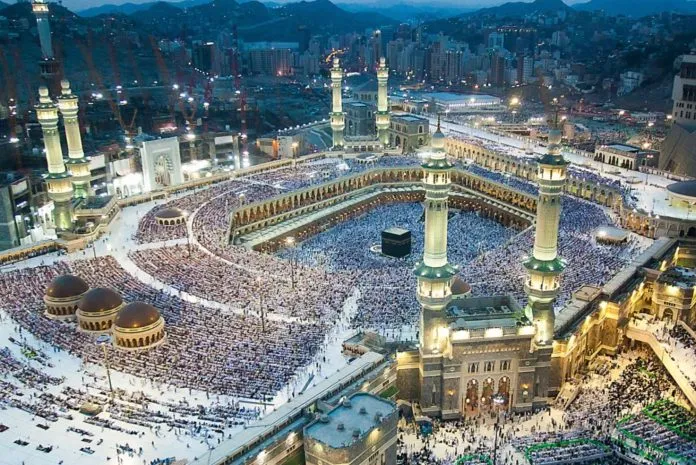
Key Events & Principles from Our Ziyarah Tour in Makkah
By Ibn Gazi
The focus of this article is some of the important events that occurred during the life of the
Prophet Muhammad ﷺ, and the principles we can take away and apply in our lives. The tour was led by our tour guide, Abu Isa, during our Ziyarah (visitation) in Makkah following the umrah (minor pilgrimage). We visited the following places during our stay in Makkah:
1. Jabal Thawr – A Mountain of Refuge and Trust
2. Plains of Arafah – The Day of Repentance and Taqwa (mindful of Allah)
3. Jabal al-Noor – The Mountain of Light
4. Masjid al-Jinn – A Place of the Unseen
1. Jabal Thawr – A Mountain of Refuge and Trust
Brief History: Jabal Thawr is a mountain located in the south of Makkah, most known for the cave (Ghar Thawr) where the Prophet Muhammad ﷺ and his companion Abu Bakr al-Siddiq (RA hid for three days during the Hijrah (migration) to Madinah.
Trust in Allah (Tawakkul): This event is one of the greatest examples of Tawakkul. While taking all precautions, the Prophet Muhammad ﷺ placed his trust in Allah. When Abu Bakr feared for their lives, the Prophet ﷺ reassured him:
“Do not grieve; indeed, Allah is with us.”
Surah At-Tawbah (9:40)
This moment teaches us that even in the darkest moments, reliance upon Allah brings peace and victory.
Choosing Good Companions: the Prophet Muhammad ﷺ, chose Abu Bakr (RA), the most loyal and righteous companion, to accompany him. This reflects the Hadith:
“A man follows the religion of his friend,
So each one should consider whom he makes his friend.”
[Abu Dawood, 4833]
Perfume Seller & Blacksmith Analogy: the Prophet Muhammad ﷺ, said:
“The example of a good companion and a bad companion is like that of the musk seller
and the blacksmith. The musk seller might give you some perfume, or you may buy it from him, or at least you enjoy a good smell. But the blacksmith might burn your clothes,
or you end up with a foul smell.”
[Bukhari & Muslim]
This Hadith beautifully aligns with the Jabal Thawr story: in times of hardship and faith, the
companionship of a righteous believer strengthens trust and morale.
2. Plains of Arafah – The Day of Repentance and Taqwa
A Sacred Place in Hajj: The plains of Arafah are where the most important rite of Hajj is
performed. It was here that the Prophet Muhammad ﷺ, delivered his final sermon, emphasizing justice, human rights, and piety.
Taqwa – Fear of Allah: Allah says:
“O mankind! Fear your Lord, who created you from a single soul…”
Surah An-Nisa (4:1)
“And take provisions, but indeed, the best provision is Taqwa.”
Surah Al-Baqarah (2:197)
On Arafah, pilgrims cry out to Allah, reflecting sincere fear and hope. the Prophet ﷺ, said:
“There is no day on which Allah frees more people from the Fire than the Day of Arafah.”
[Muslim]
Reference to Qur’an & Sunnah: the Prophet ﷺ, emphasized returning to the Qur’an and
Sunnah:
“I have left among you two matters, you will never go astray so long as you hold to them:
the Book of Allah and the Sunnah of His Prophet.”
[Malik in Muwatta]
3. Jabal al-Noor – The Mountain of Light
Key Events: Jabal al-Noor houses Ghar (cave) Hira, where the Prophet, peace and blessing be upon him, received the first revelation. He would retreat here for solitude and worship, away from the corruption of Makkah.
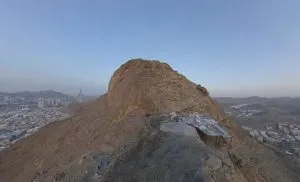
First Revelation – Seeking Knowledge: The first verses revealed were:
“Read in the name of your Lord who created.
Created man from a clinging substance.
Read, and your Lord is the most Generous.
Who taught by the pen.
Taught man that which he knew not.”
Surah Al-‘Alaq (96:1-5)
This moment marks the beginning of divine guidance and highlights the importance of seeking knowledge as a foundation of Islam.
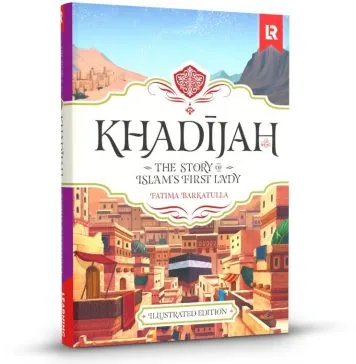
Khadijah (RA) – A Role Model: After the experience in the cave, the Prophet ﷺ, rushed to Khadijah (RA), who comforted and reassured him:
“By Allah, Allah will never disgrace you. You maintain the ties of kinship, bear the burden of the weak, help the poor, serve your guests generously, and assist the deserving.”
[Bukhari]
Khadijah’s (RA) strength, wisdom, and unwavering support make her a role model for all
believers, especially women.
4. Masjid al-Jinn – A Place of the Unseen
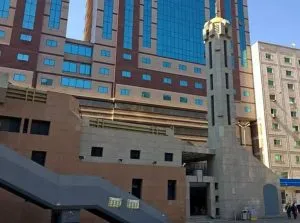
Significance: Masjid al-Jinn in Makkah marks the location where a group of jinn listened to the Qur’an being recited by the Prophet ﷺ, and embraced Islam. Allah mentions this incident:
“Say, [O Muhammad], 'It has been revealed to me that a group of the jinn listened and said, "Indeed, we have heard an amazing Qur’an.”’”
Surah Al-Jinn (72:1)
Belief in the Unseen: One of the core elements of Islamic belief is:
“Who believe in the unseen, establish prayer, and spend out of what We have provided for them.”
Surah Al-Baqarah (2:3)
Masjid al-Jinn reminds believers that the unseen world exists and is responsive to Allah’s words, reinforcing our faith in matters beyond human perception.
Conclusion
These sacred places are more than just historical landmarks; they are powerful spiritual
symbols, filled with timeless lessons in trust, faith, seeking knowledge, righteous companionship, and the consciousness (Taqwa) of Allah. They connect the believer to the
Qur’an and Sunnah in profound, meaningful ways that shape a faithful, God-conscious life.
Understanding Islamic history leaves a lasting impact on our daily lives and especially so when visiting these blessed sites where significant events unfolded, and where the Prophet ﷺ and his noble companions (RA) lived, struggled, and carried the message of Islam.
Please note: Visiting these historical sites is not part of the rites of Umrah. Every Muslim is encouraged to seek knowledge and learn how to properly fulfil the rites of Umrah, so they can maximise its benefits and rewards, Insha’Allah.