A beggar once asked the companion ʿAbdullāh b. ʿUmar (raḍiy Allāhu ʿanhu) for money, to which ʿAbdullāh said to his son, “Give me a dinar.”
When the beggar walked away, his son said to his father, “May Allāh accept from you, O father.”
ʿAbdullāh responded:
لَوْ عَلِمْتُ أَنَّ اللَّهَ تَقَبَّلَ مِنِّي سَجْدَةً وَاحِدَةً، أَوْ صَدَقَةَ دِرْهَمٍ وَاحِدٍ، لَمْ يَكُنْ غَائِبٌ أَحَبَّ إِليَّ مِنَ الْمَوْتِ، أَتَدْرِي مِمَّنْ يَتَقَبَّلُ اللَّهُ، إِنَّمَا يَتَقَبَّلُ اللَّهُ مِنَ الْمُتَّقِينَ
“If I knew that Allāh has accepted from me a single prostration or a single dirham in charity, there would not be any visitor whom I would love to meet more than death. Do you know who Allāh accepts from? ‘Allāh only accepts from the people of taqwā.’”
So what are the signs of an accepted good deed, a Ramadan or a Hajj?
1. A true intention of not returning to sins abandoned in Ramaḍān
For those who had fasted the month of Ramaḍān, having put many sins on hold but planned a secret reunion with them from ʿEid onwards, then they will have just discovered one of the clearest signs of an act of worship that is highly prone to rejection.
Yaḥyā b. Muʿādh said:
من استغفر بلسانه وقلبه على المعصية معقود، وعزمه أن يرجع إلى المعصية ويعود، فصومه عليه مردود، وباب القبول في وجهه مسدود
“Whoever asks for forgiveness with his words whilst his heart remains resolute on a sin, determined to return to it afterwards, then his fasting is rejected and the door to Allāh’s acceptance is closed.”
2. The easing of the path worship
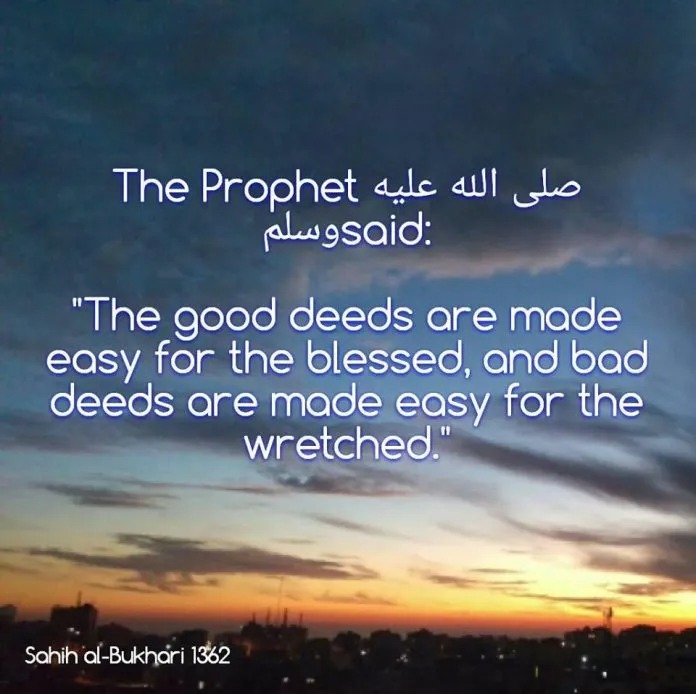
One of the most beautiful realities of good deeds is that they give birth to more good deeds, just as sins give birth to more of their likes.
فَأَمَّا مَنْ أَعْطَى وَاتَّقَى (5) وَصَدَّقَ بِالْحُسْنَى (6) فَسَنُيَسِّرُهُ لِلْيُسْرَى (7) وَأَمَّا مَنْ بَخِلَ وَاسْتَغْنَى (8) وَكَذَّبَ بِالْحُسْنَى (9) فَسَنُيَسِّرُهُ لِلْعُسْرَى (10)
“As for he who gives and fears Allāh, and believes in the best reward. We will make smooth for him the path of ease (goodness).
3. The frequent utterance of “Astaghfirullāh [Allah forgive me]”
ʿUmar b. ʿAbdul ʿAzīz would write to the Muslim provinces around the world after Ramaḍān, saying in his letter:
“Now is the time to repeat the words of your father, Ādam (ʿalayhi al-Salām):
رَبَّنَا ظَلَمْنَا أَنْفُسَنَا وَإِنْ لَمْ تَغْفِرْ لَنَا وَتَرْحَمْنَا لَنَكُونَنَّ مِنَ الخَاسِرِينَ
‘Our Lord, we have wronged ourselves, and if You do not forgive us and have mercy upon us, we will surely be among the losers’ [11]
4. Change, even if small
Take a new deed, even as small as saying Rabighfirlee twice between the 2 sajdahs in your prayers as a deed which you will continue from this point onwards. May it be a means of acceptance through your istiqaama (steadfastness).