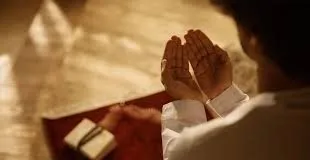
Dua Rulings: After Salah, Loud dua, wiping the Face, raising the Hands and group dua
1.Dua is accepted after Salah
عَنْ أَبِي أُمَامَةَ رَضِيَ اللَّهُ عَنْهُ قِيلَ: يَا رَسُولَ اللَّهِ، أَيُّ الدُّعَاءِ أَسْمَعُ؟
فَقَالَ النَّبِيُّ ﷺ:
"جَوْفُ اللَّيْلِ الْآخِرِ، وَدُبُرُ الصَّلَوَاتِ الْمَكْتُوبَاتِ."
رَوَاهُ التِّرْمِذِيُّ: ٣٤٩٩، وَقَالَ: حَدِيثٌ حَسَنٌ
Abu Umamah (may Allah be pleased with him) reported: It was said, "O Messenger of Allah, which supplication is most likely to be heard?" He said:
"In the last part of the night and after the obligatory prayers."
(Narrated by Tirmidhi 3499)
- The Prophet ﷺ makes dua after Salah
Seeking forgiveness after completing Salah
عَنْ ثَوْبَانَ رَضِيَ اللَّهُ عَنْهُ، مَوْلَى رَسُولِ اللَّهِ ﷺ، قَالَ:
"كَانَ رَسُولُ اللَّهِ صَلَّى اللَّهُ عَلَيْهِ وَسَلَّمَ إِذَا انْصَرَفَ مِنْ صَلَاتِهِ اسْتَغْفَرَ ثَلَاثًا"
رواه مسلم (٥٩١)
"The Messenger of Allah (ﷺ), whenever he finished his prayer, would seek forgiveness three times." (Muslim)
Dua after Salam, completion of Salah
عَنْ عَلِيِّ بْنِ أَبِي طَالِبٍ رَضِيَ اللَّهُ عَنْهُ، قَالَ
"كَانَ النَّبِيُّ صَلَّى اللَّهُ عَلَيْهِ وَسَلَّمَ إِذَا سَلَّمَ مِنَ الصَّلَاةِ قَالَ: اللَّهُمَّ اغْفِرْ لِي مَا قَدَّمْتُ وَمَا أَخَّرْتُ، وَمَا أَسْرَرْتُ وَمَا أَعْلَنْتُ، وَمَا أَسْرَفْتُ وَمَا أَنْتَ أَعْلَمُ بِهِ مِنِّي، أَنْتَ الْمُقَدِّمُ وَأَنْتَ الْمُؤَخِّرُ، لَا إِلَٰهَ إِلَّا أَنْتَ"
رواه أبو داود (١٥٠٩)، وأحمد (٨٠٣)
Translation: "The Prophet (ﷺ), when he finished his prayer, used to say: 'O Allah, forgive me for what I have done and what I have delayed, what I have concealed and what I have declared, and what I have exceeded in, and what You are more knowledgeable about than me. You are the Advancer and the Delayer; there is no deity except You.' (Abu Dawood, Ahmad)
- Raising the hand in Dua
Raising the hand is not a condition for dua; however, the Messenger of Allah emphasised it very much, showing its importance – hence it is a general sunnah associated with dua.
عَنْ سَلْمَانَ الفَارِسِيِّ رَضِيَ اللَّهُ عَنْهُ قَالَ: قَالَ رَسُولُ اللَّهِ ﷺ
"إِنَّ اللَّهَ حَيِيٌّ كَرِيمٌ، يَسْتَحْيِي إِذَا رَفَعَ الرَّجُلُ إِلَيْهِ يَدَيْهِ أَنْ يَرُدَّهُمَا صِفْرًا خَائِبَتَيْنِ"
رَوَاهُ أَبُو دَاوُدَ: ١٤٨٨
Salman al-Farsi (may Allah be pleased with him) reported: The Messenger of Allah ﷺ said:
"Indeed, Allah is modest and generous. He is too shy to let His servant raise his hands to Him and return them empty and disappointed."
(Narrated by Abu Dawood 1488)
عَنْ أَنَسِ بْنِ مَالِكٍ رَضِيَ اللَّهُ عَنْهُ قَالَ
"كَانَ النَّبِيُّ ﷺ يَرْفَعُ يَدَيْهِ حَتَّى يُرَى بَيَاضُ إِبْطَيْهِ فِي الدُّعَاءِ"
رَوَاهُ البُخَارِيُّ: ٦٣٤١، وَمُسْلِمٌ: ٨٩٥
Anas ibn Malik (may Allah be pleased with him) said:
"The Prophet ﷺ would raise his hands (in dua) until the whiteness of his underarms became visible."
(Narrated by Bukhari 6341, Muslim 895)
- Reciting dua and dhikr aloud after Salah
عَنْ عَبْدِ اللَّهِ بْنِ الزُّبَيْرِ رَضِيَ اللَّهُ عَنْهُمَا قَالَ
"كَانَ رَسُولُ اللَّهِ ﷺ إِذَا سَلَّمَ فِي دُبُرِ الصَّلَاةِ، يَقُولُ بِصَوْتِهِ: لَا إِلٰهَ إِلَّا اللَّهُ وَحْدَهُ لَا شَرِيكَ لَهُ، لَهُ الْمُلْكُ وَلَهُ الْحَمْدُ، وَهُوَ عَلَى كُلِّ شَيْءٍ قَدِيرٌ..."
رَوَاهُ مُسْلِمٌ: ٥٩٤
Abdullah ibn Az-Zubair (may Allah be pleased with him) reported:
"When the Messenger of Allah ﷺ finished his prayer, he would say aloud: 'There is no god but Allah, alone, without a partner. To Him belongs the dominion, and to Him is all praise, and He has power over all things...’ (Narrated by Muslim 594)
5.Wiping the face after Dua
"The origin of wiping the face after dua is documented in the classical hadith collections. Although early scholars did not unanimously agree on the authenticity of the narrations, some accepted them, while others did not. However, due to the existence of multiple narrations on this subject and the practice of early scholars, the majority of later scholars have accepted it as at least recommended.
Umar ibn al-Khaṭṭāb (رضي الله عنه) narrated:
"كَانَ رَسُولُ اللَّهِ صَلَّى اللَّهُ عَلَيْهِ وَسَلَّمَ إِذَا رَفَعَ يَدَيْهِ فِي الدُّعَاءِ لَمْ يَحُطَّهُمَا حَتَّى يَمْسَحَ بِهِمَا وَجْهَهُ"
"Whenever the Messenger of Allah (peace and blessings be upon him) raised his hands in supplication, he would not lower them until he had wiped his face with them."
(Sunan al-Tirmidhi 3386)
Ibn ʿAbbās (رضي الله عنهما) narrated:
"إِذَا دَعَوْتُمُ اللَّهَ فَادْعُوهُ بِبُطُونِ أَكُفِّكُمْ، وَلَا تَدْعُوهُ بِظُهُورِهَا، فَإِذَا فَرَغْتُمْ فَامْسَحُوا بِهَا وُجُوهَكُمْ"
"When you supplicate to Allah, do so with the palms of your hands, not their backs; and when you finish, wipe your faces with them."
(Sunan Abī Dāwūd 1492)
Imam al-Nawawi in al-Majmu sharḥ al-Muhadhdhab mentioned the recommendation of wiping the face after dua. Similarly, Imam Tahawi in Sharh Ma’aniul Aathaar and Ibn Taymiyyah in his Majmoo al-Fatawa have explained that it is a recommended act.
- Raising the hands in Qunoot and Dua inside Salah
There are rare occasions of the Prophet (peace and blessings be upon him) and the sahabah raising their hands in qunoot dua; however, due to it not being regularly practised, it will be permissible but not a regular sunnah.
7.Group dua after Salah
Group dua after Salah was not practised by the Prophet (may Allah bless him). Some scholars argue that, to teach the congregation or to draw their attention, it is permissible, given the general permission and practice of the Prophet (peace be upon him) in making collective dua.
Group dua – precedent from the Prophet (may Allah bless him)
عَنْ عَائِشَةَ رَضِيَ اللَّهُ عَنْهَا قَالَتْ: "فَقَالَ النَّبِيُّ صَلَّى اللَّهُ عَلَيْهِ وَسَلَّمَ: اللَّهُمَّ اغْفِرْ لِي وَمَنْ فَارَقَنِي وَمَنِ اتَّبَعَنِي، قَالَتْ فَقَالَتْ: آمِينَ
"Aisha (may Allah be pleased with her) reported: The Prophet (may Allah bless him) said, 'O Allah, forgive me and forgive those who have separated from me and those who have followed me.' And she responded, 'Ameen.'"
(Sahih al-Bukhari, Hadith 1990)
عَنْ أَبِي هُرَيْرَةَ رَضِيَ اللَّهُ عَنْهُ قَالَ: "فَسَمِعَ رَسُولُ اللَّهِ صَلَّى اللَّهُ عَلَيْهِ وَسَلَّمَ رَجُلًا يَجْدُرُ دُعَاءً فَقَالَ: اللَّهُمَّ شِفِّهِ فَقَالَ أَمِينَ."
"Abu Huraira (may Allah be pleased with him) reported: The Prophet (may Allah bless him) heard a man making dua for his sick brother. The Prophet (PBUH) said: 'O Allah, heal him.' And the companions responded, 'Ameen.'"
(Sunan Abu Dawood, Hadith 1679)
Allah Knows best.
Imam Muhammad Rayhan